


US monitoring residents who were on hantavirus cruise ship
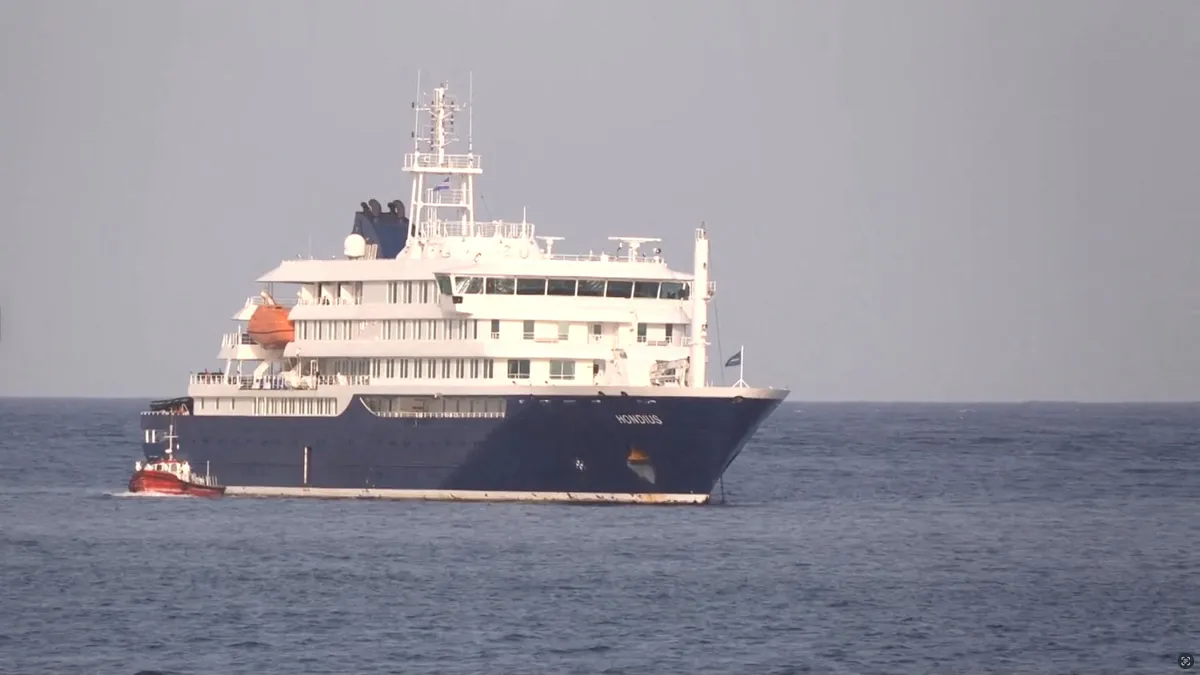
Public health agencies in Georgia, California and Arizona are monitoring residents who returned from the MV Hondius cruise.
A rare hantavirus outbreak linked to a cruise ship is raising travel safety questions ahead of the 2026 FIFA World Cup. The Andes strain, which is known to be spread between people, has heightened public concern and fear as millions of people prepare to travel for one of the world’s largest sporting events. Here’s what to know.
Health officials say the overall risk remains low, but the outbreak has lead to at least eight cases of hantavirus as of May 7, three of which have died after contracting the Andes strain of the virus. One of the cases was reported on Wednesday by authorities in Switzerland, after a man returned from a trip in South America and had traveled on the same cruise ship.
The Andes strain of the virus, which is known to be transmissible between people is found in parts of Argentina, where the cruise ship MV Hondius originally departed on a South Atlanta cruise on April 1, 2026 with 149 people on board, according to reports. Residents in at least three states in the US are being monitored for potential hantavirus infections after returning from the cruise ship.
Next month’s FIFA World Cup is set to be the largest in history with 48 teams playing 104 matches across 16 host cities in the US, Canada and Mexico and drawing 6.5 million fans to attend matches in stadiums, 40% of which are expected to be international travelers, according to reports.
Large international events like the World Cup create dense interactions which can increase disease transmission risk and spread of infectious diseases, according to RTI International.
The World Health Organization (WHO) has assessed the overall risk to the global population from this event as low and has not recommended travel restrictions related to the outbreak at this time, noting on its website, that it “will continue to monitor the epidemiological situation and update the risk assessment.”
Here’s what to know about hantivirus, how it spreads and what it means for the World Cup.
What is hantavirus?
Hantaviruses are a group of viruses carried by rodents which can be spread when particles from rodent droppings, urine or saliva become airborne. While the Centers for Disease Control and Prevention notes it is rare, the hantavirus can be contagious and spread between people, leading to severe respiratory illness and often leading to death.
There is no specific cure, vaccine or treatment for hantavirus infection, however the CDC reports it is survivable if medical care is sought early.
Is it save to travel? What hantavirus outbreak means for 2026 World Cup
The outbreak is drawing added attention because it comes as millions of fans are expected to travel across the U.S., Canada and Mexico for the 2026 World Cup, which brings large, dense crowds amid significant international movement — conditions that can increase the spread of infectious diseases more broadly.
While health officials stress the hantavirus outbreak remains contained and the risk to the general public remains low, the unknowns have heightened public concern.
“We understand the concerns sports fans might have when it comes to attending an event with so many others, from the U.S. and from other countries,” Dr. Gregory Sugalski, an Army veteran and chair of emergency medicine at Hackensack University Medical Center, told The New York Post. “But I want to say two words to them: ‘No fear.’
New York and New Jersey infectious disease experts have been prepping for the millions of anticipated World Cup travelers for the past two years, according to reports. With large numbers of foreign visitors comes the threat of infectious or deadly diseases, including tuberculosis, measles, varicella, hepatitis A, typhoid, malaria, SARS, and hantavirus.

Passengers detail experience on cruise ship after hantavirus case
Passengers aboard the MV Hondius cruise ship give an update on their journey after a hantavirus outbreak during their voyage.
Unlike viruses that spread easily from person to person, hantavirus infections are typically tied to specific environmental exposure, meaning the risk is not broadly linked to routine travel activities such as flying or staying in hotels. Nonetheless, experts say travelers should remain aware of their surroundings and avoid environments where rodent exposure may be a concern.
How does hantavirus spread? Is it contagious?
Person-to-person spread is extremely rare, according to the CDC. Hantavirus is primarily transmitted to people from contact with rodents such as rats or mice, expressly when exposed to their urine, droppings and saliva by inhaling the virus particles or touching surfaces contaminated with the rodent waste. In rare cases, it can also be spread through a bite or scratch by a rodent.
While spread between humans is rare, it is possible with the Andes hantavirus strain, which circulates in Argentina and Chile. When it does occur, transmission is usually associated with very close interaction, prolonged contact such as sharing a bed, intimate contact or sharing food with an infected person, according to Dr. Celine Gounder on PBS News.
What are the symptoms of hantavirus?
Hantaviruses can cause two syndromes, the most common of which is found in the Western Hemisphere, including the US and causes Hantavirus Pulmonary Syndrome (HPS). It is spread by the deer mouse. The other is hemorrhagic fever with renal syndrome (HFRS), found mostly in Europe and Asia. Here’s the symptoms for both:
- Hantavirus Pulmonary Syndrome (HPS) symptoms similar to flu-like symptoms usually start to show in 1-8 weeks after contact with infected rodent with early symptoms including fatigue, fever and muscle aches according tot he CDC. About half of HPS cases also reportedly experience headaches, dizziness, chills and abdominal issues such as nausea, vomiting, diarrhea and abdominal pain. 4-10 days after the initial onset of HPS, more serious symptoms such as coughing, shortness of breath or tightness in the chest as the lungs fill with fluid can appear. HPS can be deadly with a reported 38% mortality rate.
- Hemorrhagic Fever with Renal Syndrome (HFRS) symptoms usually develop within 1-2 weeks after exposure, albeit in rare cases can also take up to eight weeks to develop. Initial symptoms which begin suddenly include intense headaches, back and abdominal pain, fever/chills, nausea, blurred vision and even flushing of the face, inflammation or redness of the eyes or a rash. Other symptoms that come later include low blood pressure, acute shock, internal bleeding and acute kidney failure. The mortality rate is less than 15%.
According to the CDC, it is difficult to diagnose a person who has been infected less than 72 hours and may require repeat testing after early symptoms start. If you suspect hantavirus disease, see a doctor immediately, noting any potential exposure to rodents.